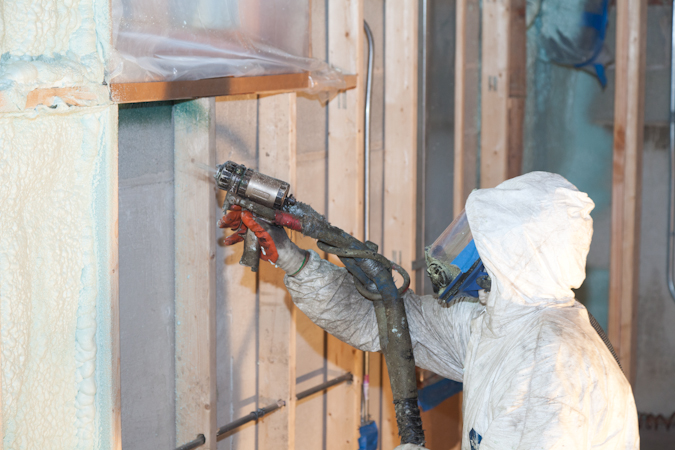
A Practical Guide to Wall Insulation Materials
Comparing fiberglass batts, rigid foam boards, spray foam, and blown-in cellulose for Canadian wall assemblies — including moisture considerations.
Read article →From exterior wall retrofits to attic sealing, this resource covers the thermal efficiency methods that matter most in Canada's climate zones — with a focus on practical techniques over product endorsements.

Comparing fiberglass batts, rigid foam boards, spray foam, and blown-in cellulose for Canadian wall assemblies — including moisture considerations.
Read article →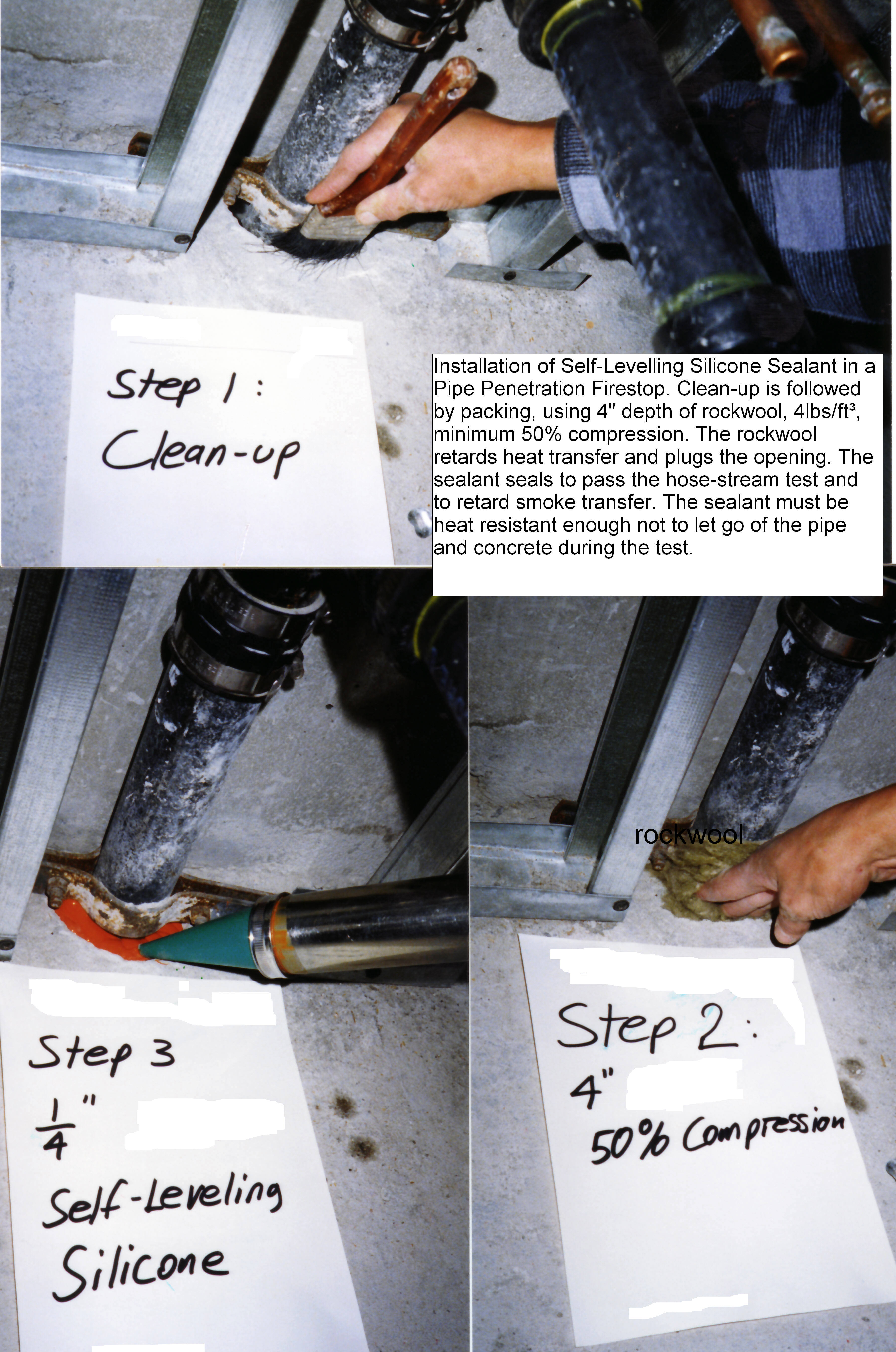
How caulking, weatherstripping, and window film can reduce drafts and heat loss around frames — a common source of energy waste in older Canadian homes.
Read article →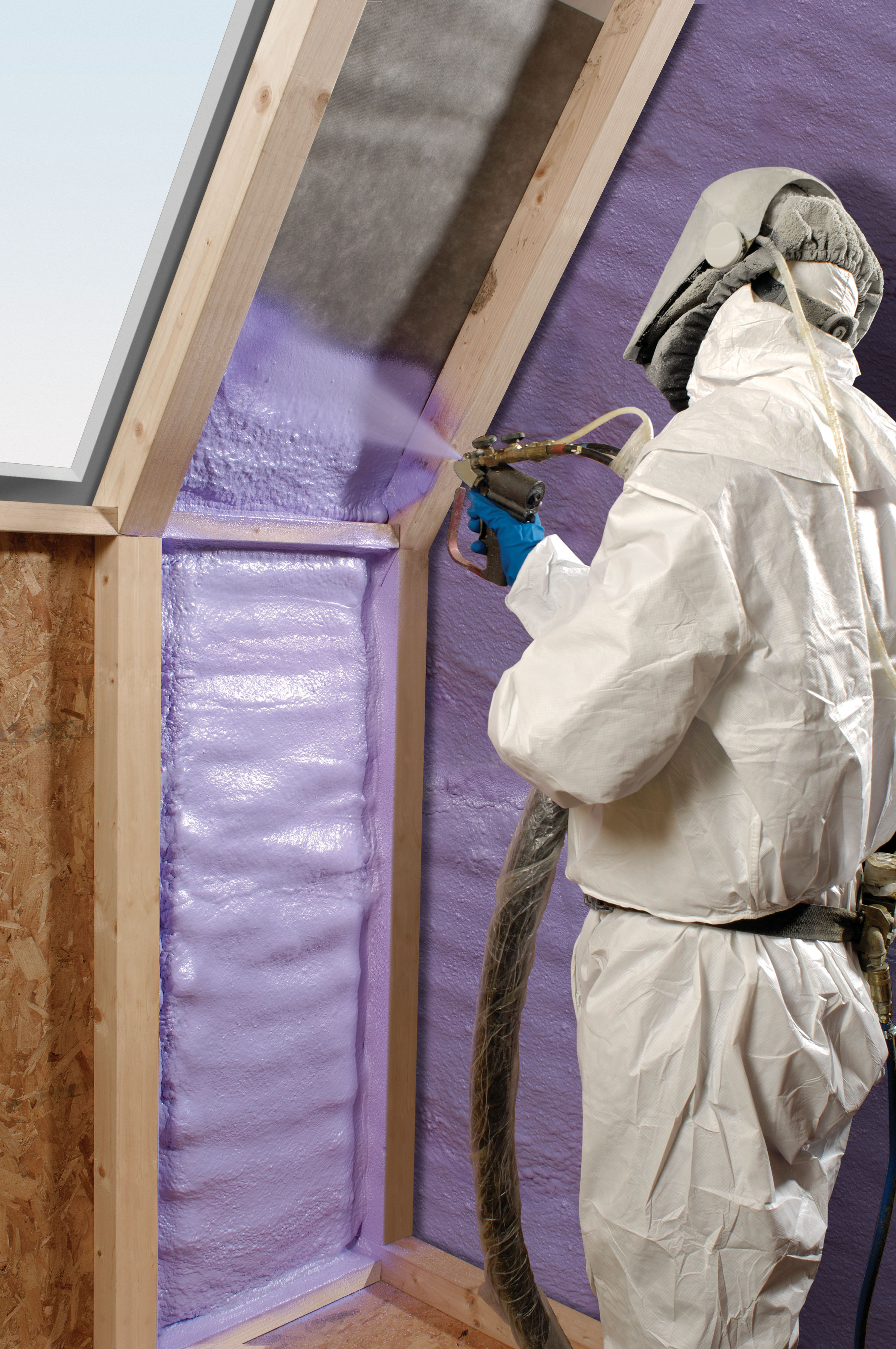
Attics account for a disproportionate share of residential heat loss. This article covers R-value targets, air sealing priorities, and ventilation requirements for Canadian attics.
Read article →Canada's National Building Code divides the country into climate zones based on heating degree-days. A home in Winnipeg operates under fundamentally different thermal demands than one in Vancouver — and insulation specifications reflect this.
Improving insulation is among the most durable energy efficiency measures available to homeowners. Unlike appliance upgrades, a well-installed insulation system can perform for decades with little maintenance.
Interior and exterior approaches to insulating above- and below-grade walls, including cavity fill and continuous insulation methods.
Identifying and sealing penetrations at the attic floor before adding insulation — often more effective than additional R-value alone.
Caulking, weatherstripping, and interior window treatments that reduce infiltration around the building envelope's most vulnerable points.
Strategies for insulating foundation walls and rim joists, where significant heat loss occurs in Canadian winters.
Placement and selection of vapour retarders and air barriers within wall assemblies to prevent moisture damage in cold climates.
How Canada's climate zones influence minimum and recommended R-value targets across different building assemblies.